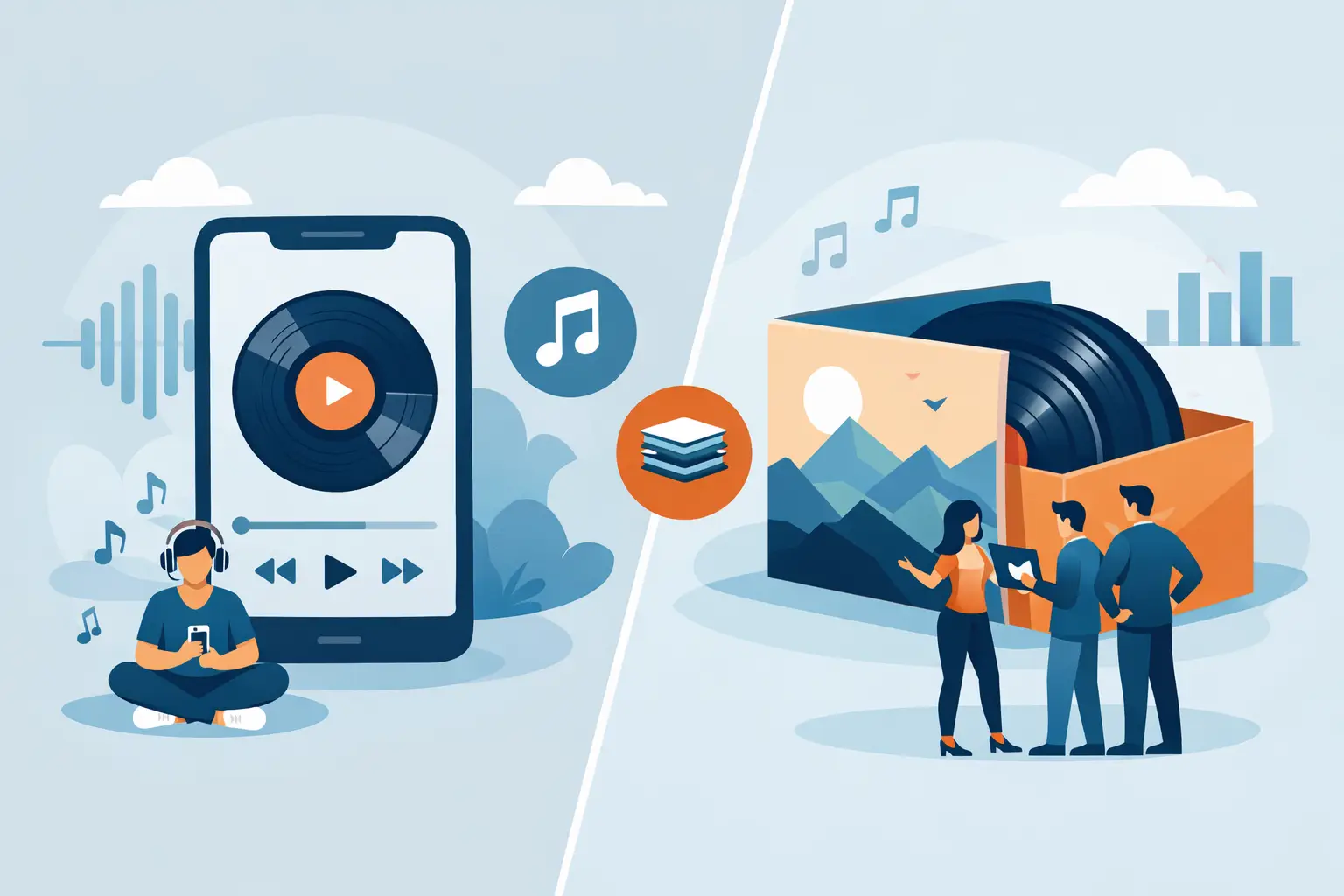
A great song can introduce someone to your sound in three minutes. A great album can make them understand where that sound came from, what it cost you, and where you are headed. That is the real question behind single release versus album release: are you trying to earn attention right now, or give the people already listening a fuller reason to believe in your journey?
For an independent Afro-Beat artist, neither path is automatically better. The right choice depends on the strength of the songs, the story behind them, the size of the audience, and how consistently you can show up after release day. Music moves fast on streaming platforms, but connection still takes time.
What a Single Release Can Do
A single gives one song room to breathe. It lets listeners focus on one feeling, one hook, one message, and one moment in your growth. If the record is honest and replayable, it can become a simple entry point for somebody who has never heard your name before.
That focus matters when you are still building. New listeners are rarely ready to commit to a full project without a reason. A single lowers the pressure. They can press play, save the track, add it to a playlist, and come back later. If the song speaks to them, curiosity can do the rest.
Singles also create more chances to stay visible. Instead of placing ten songs into the world on one day and hoping people find all of them, you can build a rhythm around individual releases. Each song can have its own artwork, short-form video, lyric moment, personal message, and conversation with fans. That does not mean every release needs a huge campaign. It means each track deserves a clear reason for existing.
For music rooted in emotion and movement, a single can capture a particular mood. Maybe it is a confident record for late-night drives, a song about disappointment, or a melody that carries the feeling of starting over. A listener may not know your whole story yet, but they can recognize themselves in one honest line.
The Limits of Singles
The danger is releasing songs without a larger direction. If every track arrives with no connection to the last one, people may enjoy the music but struggle to understand the artist behind it. Attention becomes scattered. A catalog can grow while an identity remains unclear.
Singles also demand consistency. A song does not stop needing support after the first week. The artist has to keep telling the story, performing the record, making content that feels natural, and inviting people back without forcing it. Releasing often only works when the music and message are strong enough to sustain that pace.
What an Album Release Can Say
An album is not just a longer playlist. At its best, it is a statement: this is who I am, this is what I have survived, and this is the sound I am building. It gives an artist room for contrast. A listener can hear confidence next to doubt, celebration next to struggle, and ambition next to reflection.
That depth is especially powerful for an artist whose story is part of the music. A full-length project can show the distance between where you started and where you want to go. It can make the victories feel earned because the listener has heard the pressure, the setbacks, and the purpose underneath them.
Albums can also build stronger fan loyalty. Someone may stream one single because they like the beat. They may listen to an album from front to back because they want to know you better. That is the difference between casual discovery and real investment.
A project gives fans more than one favorite song. One person may connect with the most upbeat track, while another holds onto the quietest one. Over time, those different connections create a deeper community around the catalog. The songs become part of people’s memories, not just part of a release schedule.
The Risk of Releasing a Project Too Soon
An album asks more from the listener, so it has to earn that attention. If the songs feel unfinished, repetitive, or unclear in purpose, a full project can make an artist’s strongest material harder to find. Great tracks can get buried because there are too many choices at once.
There is also a practical reality. An album takes time, money, energy, visuals, and a plan. If you are handling much of the process yourself, the work does not end when the masters are done. You still need to think about the release order, the focus tracks, the story, and how you will keep the project alive after the first weekend.
That does not mean emerging artists should avoid albums. It means the project should feel necessary. The question is not, “Do I have enough songs?” The better question is, “Do these songs say something together that they cannot say apart?”
Single Release Versus Album Release: Start With Your Goal
If your main goal is discovery, singles usually make more sense. Lead with the song that is easiest to understand emotionally and hardest to forget musically. It should represent your sound without trying to explain every part of you at once.
If your goal is to establish your identity, an album or shorter project may be the stronger move. This is especially true when the songs share a theme, a season of life, or a clear emotional arc. A project can turn separate records into a personal world listeners want to revisit.
The strongest strategy often uses both. Release a few singles first, then gather momentum around a project that gives those songs a home. The singles introduce the sound. The album reveals the bigger picture. This approach gives new listeners a door in and gives existing supporters something deeper to hold onto.
For example, a reflective song about personal change can arrive first and create an emotional introduction. A more energetic follow-up can show another side of the sound. By the time the project arrives, listeners already recognize the voice, the themes, and the reason the music matters.
Let the Music Decide the Timing
Do not release an album only because it has been a long time since your last one. Do not release a single only because the algorithm seems to reward frequent activity. Strategy matters, but music should lead strategy, not the other way around.
Some songs are built for an immediate moment. They have a hook that needs to be heard now. Others carry too much emotion to stand alone. They belong beside other songs because the meaning becomes clearer in sequence.
Pay attention to what fans respond to as well. If listeners keep asking for more after each release, that may be a sign they are ready for a larger body of work. If people are still discovering your previous song, giving it more time may be wiser than rushing into the next chapter.
Build a Catalog That Feels Like a Journey
The goal is not to choose singles forever or albums forever. The goal is to make every release feel like progress. Each track should add something to your story, whether it reaches a new listener or rewards the fan who has been there from the beginning.
An artist’s catalog becomes powerful when people can hear the growth in it. The early hunger, the lessons, the confidence, the pain, and the new vision all have a place. A single can spark the first conversation. An album can make that conversation personal.
Release the song when it has something immediate to say. Release the project when your story needs more room to be heard. The people meant to connect with your music will feel the difference.
Leave a Reply